
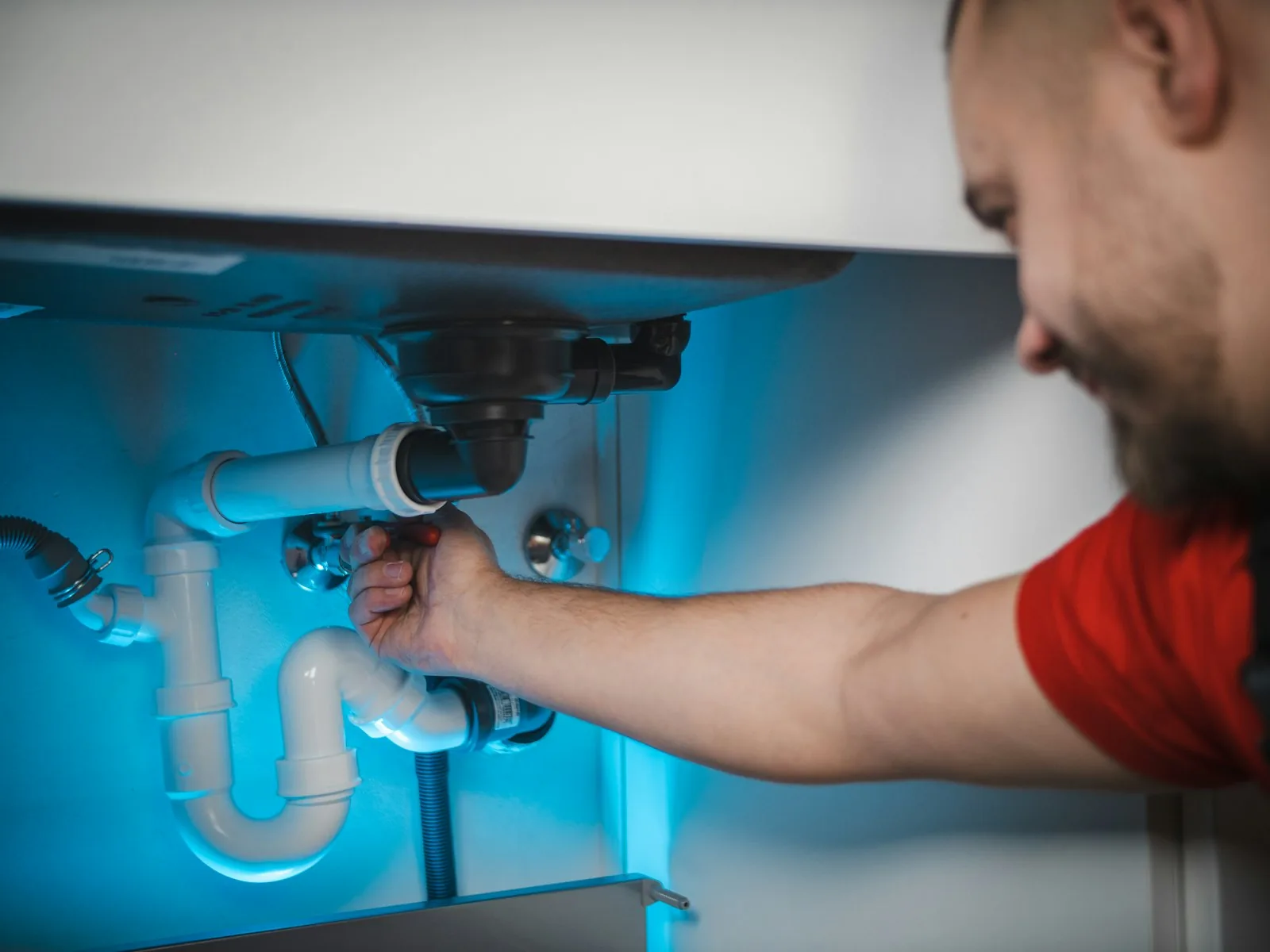
A good service business website should feel useful within seconds. It should tell nearby customers what you do, why they can trust you, and how to take the next step without digging through the site.
A homepage that makes the business obvious
The homepage should answer four questions quickly: what do you do, who do you help, where do you work, and how can someone contact you? If visitors need to decode slogans before understanding the offer, the page is making them work too hard.
A strong local homepage gives the business category, location, main services, proof, and primary enquiry route without burying the useful information below decorative sections.
- Business category and location in the opening section.
- Short summary of the main services.
- Visible phone, WhatsApp, or quote button.
- A few specific trust points instead of a wall of claims.
Service pages that match customer intent
Service pages are where local SEO and conversion meet. Each important service should explain the problem, the work, the expected process, the areas served, and what the customer should do next.
For example, a contractor should not only say renovation services. The page should explain kitchens, bathrooms, repairs, timelines, quoting, service areas, and proof that the business can do the job.
- Name the service in the page title and main heading.
- Explain who the service is for and when it is needed.
- Show related services so visitors can keep exploring.
- Link clearly to pricing, FAQs, or contact where useful.
Trust signals that reduce hesitation
Local buyers want to know whether the business is real, nearby, responsive, and competent. Trust signals should be specific, easy to verify, and close to the point where doubt might appear.
Good proof can be simple. Years of experience, named client types, project examples, photos, reviews, guarantees, process notes, and response expectations all help visitors feel safer.
- Years in business or relevant experience.
- Portfolio, examples, or before-and-after notes.
- Reviews, testimonials, or named client types.
- Clear policies, process, and response expectations.
Contact routes designed for real behaviour
A service website should not make visitors wait until the contact page to act. Phone, WhatsApp, email, and form routes should appear naturally after the sections where customers are likely to decide.
This is especially important for trades, emergency work, consultants, salons, appointment-based services, and any business where a customer may be comparing several providers from a phone.
Local SEO structure under the surface
The visible copy matters, but the technical structure matters too. Page titles, meta descriptions, canonical URLs, schema, sitemap entries, image alt text, and internal links all help search and AI systems understand the business.
A well-built local service website should feel simple on the front end while carrying clean technical signals underneath.
Bottom line